
“Sounds good” is one of those phrases that slips effortlessly into workplace conversations. A coworker suggests a meeting time, a manager proposes a new approach, or a client offers a solution, and the reply comes naturally: “Sounds good.”
There’s nothing inherently wrong with it. In fact, “sounds good” is widely understood as a friendly expression of agreement, approval, or acceptance.
The problem starts when every professional response sounds the same.
If you use “sounds good” repeatedly in emails, team chats, meetings, and client conversations, your writing can begin to feel predictable. More importantly, the phrase doesn’t always tell the reader how strongly you agree or whether you’re actually confirming a decision.
That’s where alternatives become useful.
Depending on the situation, you might want to say that something works for you, that you fully support a proposal, that you understand the reasoning, or that you’ve reviewed something and approve it. Each message calls for slightly different wording.
This guide explores other ways to say “sounds good” professionally, with explanations, examples, tone differences, and practical advice for choosing the right phrase.
What Does “Sounds Good” Mean?
Simple Definition
“Sounds good” is a conversational expression that usually means “I agree,” “I approve,” “That seems acceptable,” or “I like that idea.”
For example:
“We can move the meeting to Thursday afternoon.”
“Sounds good.”
The speaker isn’t literally commenting on a sound. Instead, they are responding positively to an idea, suggestion, plan, or arrangement.
Dictionary.com describes “sounds good” as an expression of agreement, approval, or acceptance of a proposal or statement.
The exact meaning depends on the situation.
Consider these examples:
- “Let’s meet at 10 a.m.” → “Sounds good.” = The time works for me.
- “I’ll send the report tomorrow.” → “Sounds good.” = I agree with that plan.
- “We should focus on customer retention.” → “Sounds good.” = I think that’s a good idea.
- “I’ll revise the proposal and send it tonight.” → “Sounds good.” = I approve of that next step.
So, while the words are simple, the phrase can perform several conversational functions.
How “Sounds Good” Works Grammatically
In a complete sentence, the phrase usually appears as:
“That sounds good.”
Here, “that” refers to the idea, proposal, plan, or statement being discussed. “Sounds” functions as a linking verb, connecting the subject with the adjective “good.”
In casual conversation, the subject is often omitted:
“We can meet on Friday.”
“Sounds good.”
The shortened version is a natural conversational response. EnglishClub describes “sounds good” as a shorter way of saying that something sounds like a good idea.
You can also use longer forms:
- “That sounds good to me.”
- “That sounds great.”
- “That sounds like a good plan.”
- “Your proposal sounds good.”
- “The revised timeline sounds good.”
One useful grammatical distinction is worth remembering:
- “That sounds good.” — singular subject
- “Those ideas sound good.” — plural subject
- “Your suggestions sound good.” — plural subject
So “sounds” isn’t automatically correct in every sentence. The verb must agree with the subject.
When Should You Use “Sounds Good”?
“Sounds good” works best when you want to give a quick, positive response without making your message overly formal.
It is especially useful when the stakes are low and everyone already understands what has been agreed upon.
Common Professional Contexts
You can naturally use “sounds good” when:
- Confirming a meeting time
- Accepting a coworker’s suggestion
- Agreeing to a simple schedule
- Acknowledging a proposed task
- Responding to a routine workplace update
- Confirming an informal arrangement
- Moving a conversation forward
For example:
“I’ll send you the updated spreadsheet before lunch.”
“Sounds good. Thanks.”
Or:
“Could we meet Thursday at 2 p.m.?”
“Sounds good. I’ll see you then.”
In these situations, the phrase is efficient and friendly.
Examples in Workplace Communication
Team chat:
“Let’s review the presentation at 3.”
“Sounds good.”
Internal email:
“I’ll make those changes and send the revised draft this afternoon.”
“Sounds good. Thank you.”
Meeting:
“We’ll start with the budget review and then move to the timeline.”
“Sounds good.”
These responses don’t need elaborate wording. A short acknowledgment keeps the conversation moving.
When “Sounds Good” May Be Too Casual
The phrase becomes less useful when the communication requires precision, authority, or explicit confirmation.
For example, imagine a client asks:
“Can you confirm that the final contract will be delivered by October 15?”
Responding only with:
“Sounds good.”
isn’t ideal.
The client isn’t merely asking whether the proposal sounds pleasant. They want a clear confirmation.
A stronger response would be:
“Yes, we can deliver the final contract by October 15.”
That sentence removes ambiguity.
The same principle applies to financial decisions, formal approvals, legal matters, major deadlines, and other high-stakes situations.
Is “Sounds Good” Professional and Polite?
Yes. “Sounds good” can absolutely be professional. However, it sits toward the conversational end of professional English rather than the highly formal end.
EnglishClub categorizes the phrase as informal and explains that it is commonly used when someone thinks another person’s suggestion is a good idea.
That doesn’t mean you should ban it from professional communication.
Modern workplaces often value communication that is clear, efficient, and human. A stiff phrase isn’t automatically more professional than a natural one.
Compare:
“Sounds good. I’ll review the file this afternoon.”
with:
“Your proposal has been received and appears acceptable. The file shall be reviewed this afternoon.”
The second version sounds unnecessarily rigid.
The better choice depends on audience, context, relationship, and purpose.
Where “Sounds Good” Usually Works
| Situation | Suitability |
| Coworker chat | Excellent |
| Internal Slack message | Excellent |
| Informal team email | Good |
| Meeting discussion | Good |
| Familiar manager | Usually good |
| New client | Use judgment |
| Formal client communication | Consider a clearer alternative |
| Legal or contractual approval | Prefer explicit wording |
| High-stakes business decision | Prefer precise confirmation |
The key isn’t to make every message formal. The goal is to make every message appropriate.
Pros and Cons of Using “Sounds Good”
Pros
It’s concise. You can communicate agreement in two words.
It’s friendly. The phrase creates a cooperative tone without sounding overly enthusiastic.
It’s flexible. It can respond to schedules, suggestions, ideas, and plans.
It’s natural. Native speakers use it frequently in everyday conversation.
It’s easy to understand. There is little chance that a reader will struggle with the basic meaning.
Cons
It can become repetitive. If every email ends with “Sounds good,” your communication starts to feel mechanical.
It can be vague. The phrase doesn’t always specify what exactly you approve.
It may not show enough enthusiasm. “Sounds good” is weaker than “I’m very pleased with this approach.”
It may not provide explicit confirmation. In high-stakes situations, a clear statement works better.
It can blur different meanings. Agreement, understanding, acceptance, and enthusiasm aren’t always the same thing.
That final point matters most.
If someone explains a complicated strategy and you say:
“That makes sense.”
you’re primarily saying you understand the reasoning.
If you say:
“I support this approach.”
you’re expressing active support.
If you say:
“That works for me.”
you’re confirming that the arrangement is acceptable to you.
These aren’t interchangeable in every situation.
14+ Other Ways to Say “Sounds Good” Professionally
The best alternative depends on what you actually want to communicate.
Here are professional alternatives that cover different levels of agreement, enthusiasm, acceptance, and support.
“That Works for Me”
“That works for me” is one of the most useful alternatives to “sounds good.”
It clearly communicates that a proposed option fits your needs, schedule, or expectations.
For example:
“Would Friday at 11 a.m. work for the project review?”
“That works for me.”
This response is particularly effective for scheduling.
Best for:
- Meeting times
- Deadlines
- Work arrangements
- Practical decisions
- Scheduling changes
Example
“We can move the presentation to Thursday morning.”
“That works for me. I’ll update my calendar.”
The phrase is professional without sounding stiff.
“That Sounds Great”
When you want to show more enthusiasm, “that sounds great” is a natural upgrade.
It still sounds conversational, but it carries more positive energy than “sounds good.”
For example:
“We’re considering inviting your team to participate in the project.”
“That sounds great. We’d be happy to participate.”
Use this phrase when you genuinely feel positive about the suggestion.
Best for:
- New opportunities
- Collaboration
- Projects
- Team activities
- Positive proposals
Don’t use it mechanically. If you’re only neutral about an idea, “That works for me” may be more accurate.
“That Sounds Perfect”
“That sounds perfect” expresses stronger approval.
It suggests that the proposed arrangement fits your needs particularly well.
For example:
“I’ll send the final version Friday morning and schedule the call for Monday.”
“That sounds perfect.”
This works especially well for logistics.
Best for:
- Meeting arrangements
- Delivery schedules
- Project timelines
- Specific plans
However, “perfect” is stronger than “good.” Don’t use it when you still have reservations.
“I Agree”
Sometimes the strongest professional alternative is also the simplest.
“I agree” directly states your position.
For example:
“We should prioritize the customer retention campaign before launching another acquisition campaign.”
“I agree. Retention should come first.”
Unlike “sounds good,” this phrase leaves less uncertainty about your position.
Best for:
- Meetings
- Discussions
- Recommendations
- Strategic decisions
- Opinions
You can make it more specific:
“I agree with your recommendation.”
That version works particularly well in professional writing.
“I Agree With Your Proposal”
When responding to a specific proposal, this phrase provides clear approval.
For example:
“I recommend extending the testing period by one week.”
“I agree with your proposal.”
It works better than a vague “sounds good” when the recipient needs to know that you have actually approved something.
Best for:
- Business proposals
- Project plans
- Recommendations
- Formal discussions
- Management decisions
For a more natural tone, you could write:
“I agree with your proposal. The additional testing time should help us catch any remaining issues.”
That response both confirms agreement and explains why.
“That Seems Like a Good Plan”
This expression communicates positive agreement while leaving a little room for further discussion.
“Let’s test the new workflow with one department before rolling it out company-wide.”
“That seems like a good plan.”
Notice the subtle difference.
“I agree” sounds direct.
“That seems like a good plan” sounds slightly more measured.
Best for:
- Brainstorming
- Team meetings
- Project planning
- Early-stage decisions
- Proposed strategies
It’s particularly useful when the idea looks promising but hasn’t received final approval.
“That Works Well”
“That works well” focuses on practicality and suitability.
For example:
“We can send the first draft on Wednesday and the final version on Friday.”
“That works well.”
This sounds professional while remaining conversational.
Best for:
- Timelines
- Processes
- Workflows
- Project arrangements
- Proposed solutions
It can also be used as part of a fuller response:
“That works well for our timeline. Let’s move forward with that schedule.”
“I’m Happy With That”
This phrase communicates satisfaction and acceptance.
For example:
“We’ve incorporated all the changes you requested.”
“I’m happy with that. Please send the final version.”
The phrase works particularly well after reviewing something.
Best for:
- Drafts
- Revisions
- Deliverables
- Schedules
- Completed work
It tells the other person that you have no significant objections.
“That Makes Sense”
“That’s makes sense” is not simply another version of “sounds good.” Its primary purpose is slightly different.
“That makes sense” communicates understanding and logical agreement.
For example:
“We’ll postpone the launch until the support team finishes training.”
“That makes sense.”
You’re saying the reasoning is logical.
You aren’t necessarily saying that you enthusiastically love the plan.
Best for:
- Explanations
- Decisions
- Business reasoning
- Processes
- Strategy discussions
This distinction can prevent misunderstandings.
If your manager explains why a deadline must change, “That makes sense” may be more appropriate than “That sounds great.”
“I Support This Approach”
When you want to communicate active support, this phrase is stronger than “sounds good.”
“We’re proposing a phased rollout instead of launching the entire system at once.”
“I support this approach.”
It tells the reader that you aren’t merely accepting the idea. You’re endorsing the method.
Best for:
- Business strategies
- Project approaches
- Organizational decisions
- Team initiatives
- Policy discussions
For formal communication, this is one of the strongest alternatives on the list.
“This Looks Good to Me”
Use this expression when you’ve reviewed something.
For example:
“I’ve updated the presentation based on your comments.”
“This looks good to me. You can send it to the client.”
It works especially well with documents and visual materials.
Best for:
- Reports
- Presentations
- Designs
- Drafts
- Proposals
- Spreadsheets
There’s a useful difference between “This looks good to me” and “That makes sense.”
The first evaluates the material.
The second evaluates the reasoning.
“I’m on Board With This”
“I’m on board with this” communicates agreement plus willingness to participate.
For example:
“Let’s use the new workflow for the next quarter.”
“I’m on board with this.”
The expression has a collaborative feel.
Best for:
- Team projects
- New initiatives
- Changes
- Group decisions
- Collaborative work
It is professional in many modern workplaces, although it is more conversational than “I support this approach.”
“That Is Acceptable”
When you need a neutral and formal alternative, “That is acceptable” works well.
For example:
“We can provide the revised document by the end of the month.”
“That is acceptable.”
However, be careful with the tone.
“Acceptable” doesn’t sound enthusiastic. It means something meets the necessary standard.
Compare:
“That sounds great!”
with:
“That is acceptable.”
The first sounds enthusiastic.
The second sounds measured and formal.
Best for:
- Formal correspondence
- Negotiations
- Requirements
- Business decisions
- Situations where neutrality matters
“I’m Comfortable With That”
This phrase communicates that you have no significant concerns about a proposed option.
“We’d like to use the existing system for another quarter while we evaluate alternatives.”
“I’m comfortable with that.”
It can be particularly useful when you’re giving approval without suggesting that the option is necessarily perfect.
Best for:
- Business decisions
- Work arrangements
- Procedures
- Risk discussions
- Team decisions
It often sounds thoughtful rather than enthusiastic.
“That Meets My Expectations”
This alternative works well when you’ve evaluated a result against a standard or requirement.
For example:
“We’ve revised the report to include the additional data you requested.”
“That meets my expectations. Please proceed with the final version.”
It communicates satisfaction more specifically than “sounds good.”
Best for:
- Deliverables
- Reports
- Project outcomes
- Drafts
- Service proposals
It is more evaluative than conversational.
“I Support This”
When you want something concise but stronger than “sounds good,” “I support this” is an excellent choice.
“We’re proposing a new training program for incoming employees.”
“I support this.”
The sentence clearly states your position.
Best for:
- Initiatives
- Policies
- Strategies
- Organizational changes
- Team decisions
It also works well in meetings where people are formally discussing whether to move forward.
“That Seems Appropriate”
This phrase communicates that something appears suitable for the circumstances.
“Given the current workload, I recommend extending the deadline by two days.”
“That seems appropriate.”
It is less enthusiastic than “That sounds great,” but more deliberate.
Best for:
- Business decisions
- Professional recommendations
- Policies
- Procedures
- Sensitive workplace situations
“I’m in Agreement With This”
This is a more formal alternative that directly communicates agreement.
“The proposed timeline gives the team enough time to complete testing.”
“I’m in agreement with this timeline.”
It’s not the most conversational option, so it shouldn’t replace “sounds good” in every workplace message.
However, it can work in formal discussions where direct agreement matters.
Best Alternative to “Sounds Good” Based on Context

There isn’t one universal replacement.
The strongest phrase depends on what you’re trying to communicate.
| Situation | Recommended phrase | Main message |
| Accepting a meeting time | That works for me | The arrangement suits me |
| Showing enthusiasm | That sounds great | I like the idea |
| Strong approval | That sounds perfect | This fits extremely well |
| Direct agreement | I agree | I share your position |
| Approving a proposal | I agree with your proposal | I formally support the proposal |
| Evaluating reasoning | That makes sense | I understand and accept the logic |
| Supporting a strategy | I support this approach | I endorse the method |
| Joining a project | I’m on board with this | I agree and am willing to participate |
| Reviewing a document | This looks good to me | I’ve reviewed it and approve |
| Neutral acceptance | That is acceptable | It meets the required standard |
| Expressing satisfaction | I’m happy with that | I’m satisfied with the result |
| Giving measured approval | That seems appropriate | It appears suitable |
| Confirming comfort | I’m comfortable with that | I have no significant concerns |
| Evaluating a result | That meets my expectations | It fulfills the expected standard |
This table reveals an important point: professional communication isn’t about replacing one phrase with another at random.
It’s about choosing language that accurately reflects your meaning.
“Sounds Good” vs. Professional Alternatives
“Sounds Good” vs. “That Works for Me”
These phrases are similar but not identical.
“Sounds good” expresses general approval.
“That works for me” specifically confirms that an option is suitable for you.
“Can we meet Friday at 2?”
“Sounds good.”
“Can we meet Friday at 2?”
“That works for me.”
The second response provides clearer confirmation of availability.
“Sounds Good” vs. “That Sounds Great”
The difference is mostly enthusiasm.
“Sounds good” is moderately positive.
“That sounds great” is more enthusiastic.
If a coworker says:
“We can finish the project two days early.”
“Sounds good” acknowledges the news.
“That sounds great!” shows stronger excitement.
“Sounds Good” vs. “That Makes Sense”
These expressions often get treated as synonyms, but they perform different jobs.
“Sounds good” generally communicates approval.
“That makes sense” primarily communicates understanding of the reasoning.
For example:
“We’re delaying the launch because the testing isn’t complete.”
“That makes sense.”
You’re acknowledging the logic.
If someone asks:
“Should we use the new launch date?”
then:
“Sounds good.”
is more directly about accepting the plan.
“Sounds Good” vs. “I Agree”
“I agree” is more explicit.
“Sounds good” can sometimes mean:
“I’m okay with that.”
“I agree” means:
“I share your position.”
That distinction becomes important during discussions where people need to record clear agreement.
“Sounds Good” vs. “That Is Acceptable”
The difference here is mostly tone and formality.
“Sounds good” feels warm and conversational.
“That is acceptable” feels neutral and formal.
Imagine negotiating a deadline:
“We can deliver the revised report by Monday.”
“That is acceptable.”
This response sounds businesslike.
If the same exchange happens between familiar coworkers:
“Monday works.”
would probably sound more natural.
How to Choose the Right Alternative to “Sounds Good”
Match the Level of Formality
Think about who you’re talking to.
A Slack message to a close coworker doesn’t need the same language as a formal client email.
Casual professional
“Sounds good!”
Standard professional
“That works for me.”
More formal
“I agree with your proposal.”
Highly precise
“I confirm that the proposed deadline works for our team.”
The goal isn’t to climb the formality ladder as high as possible. The goal is to choose the right rung.
Match the Strength of Your Agreement
Ask yourself what you actually mean.
Do you:
- Understand the idea?
- Accept the arrangement?
- Agree with the reasoning?
- Strongly support the proposal?
- Feel enthusiastic about it?
- Have no objections?
Then choose accordingly.
For example:
Mild acceptance:
“That works for me.”
Understanding:
“That makes sense.”
Clear agreement:
“I agree.”
Strong support:
“I support this approach.”
Strong enthusiasm:
“That sounds great.”
This simple distinction can make workplace communication much more precise.
Match the Communication Channel
Your wording should also reflect the medium.
Workplace Chat
Short responses are usually appropriate:
“That works for me.”
“Sounds good.”
“I’m on board.”
A little more context can make your response stronger:
“That works for me. I’ll review the revised proposal this afternoon.”
Client Communication
Clarity becomes more important:
“That works for us. We’ll proceed with the revised timeline.”
Formal Business Communication
Be explicit:
“I agree with the proposed approach and approve the revised timeline.”
Be Specific When Confirmation Matters
One of the biggest weaknesses of “sounds good” is that it can hide what exactly you have approved.
Compare these responses:
“Sounds good.”
and:
“The Thursday deadline works for me. I’ll send the completed report by 5 p.m.”
The second response is much stronger when accountability matters.
It confirms:
- The specific item
- Your agreement
- The deadline
- Your intended action
That level of clarity can prevent unnecessary follow-up questions.
Examples of Replacing “Sounds Good” in Professional Emails
Accepting a Meeting Invitation
Instead of:
“Sounds good.”
Try:
“Thursday at 2 p.m. works for me. I’ll see you then.”
This confirms the exact arrangement.
Approving a Project Proposal
Instead of:
“Sounds good.”
Try:
“I agree with the proposed approach. It should give the team enough time to complete testing before launch.”
This communicates both approval and reasoning.
Responding to a Client
Instead of:
“Sounds good, thanks.”
Try:
“That works for us. We’ll proceed with the revised timeline and send the updated proposal by Friday.”
The second version sounds warm while providing useful confirmation.
Agreeing to a Deadline
Instead of:
“Sounds good.”
Try:
“That deadline works for me. I’ll have the revised report ready by Wednesday afternoon.”
Now there is no confusion about what you’re agreeing to.
Reviewing a Document
Instead of:
“Sounds good.”
Try:
“This looks good to me. The requested changes have been addressed, so you can proceed with the final version.”
This is much more informative.
Case Studies: Choosing the Right Alternative
Case Study: A Meeting Schedule
A coworker writes:
“Could we move tomorrow’s meeting from 9 a.m. to 11 a.m.?”
A simple:
“Sounds good.”
works perfectly.
However:
“11 a.m. works for me.”
is even clearer because the response directly confirms the proposed time.
Best choice: “That works for me.”
Case Study: A New Business Strategy
A manager says:
“I think we should test the campaign with a smaller audience before launching it to everyone.”
“Sounds good” shows general approval.
But:
“I support this approach. A smaller test should help us identify problems before the full launch.”
shows stronger engagement and communicates why the strategy has merit.
Best choice: “I support this approach.”
Case Study: A Client Deadline
A client asks:
“Can you confirm that the revised proposal will be ready by Friday?”
A response such as:
“Sounds good.”
is too vague.
A better response is:
“Yes, we can provide the revised proposal by Friday.”
Here, explicit confirmation matters more than conversational warmth.
Best choice: A direct confirmation.
Case Study: Reviewing a Draft
A colleague sends a revised report and asks whether the changes look okay.
Instead of:
“Sounds good.”
you could write:
“This looks good to me. The revised figures and formatting are clear.”
Now the response tells the writer that the document was actually reviewed.
Best choice: “This looks good to me.”
Common Mistakes When Using Alternatives to “Sounds Good”
Choosing a Phrase That Is Too Formal
Not every workplace interaction requires formal language.
Writing:
“I hereby acknowledge and accept the proposed scheduling arrangement.”
when your coworker simply asks whether Tuesday works is excessive.
A better response is:
“Tuesday works for me.”
Professional doesn’t have to mean robotic.
Showing More Enthusiasm Than You Feel
Don’t use “That sounds perfect!” when you have serious reservations.
Imagine a manager proposes a plan that technically works but creates additional workload.
Saying “That sounds perfect!” could communicate stronger approval than intended.
Instead:
“That works for me, although I’d like to discuss the additional workload.”
That response is more honest and useful.
Giving Vague Approval
Sometimes “sounds good” simply isn’t enough.
If you’re approving a major project, don’t force the other person to guess what you mean.
Instead of:
“Sounds good.”
write:
“I approve the revised timeline. Let’s proceed with the Friday deadline.”
Specific language reduces ambiguity.
Confusing Understanding With Agreement
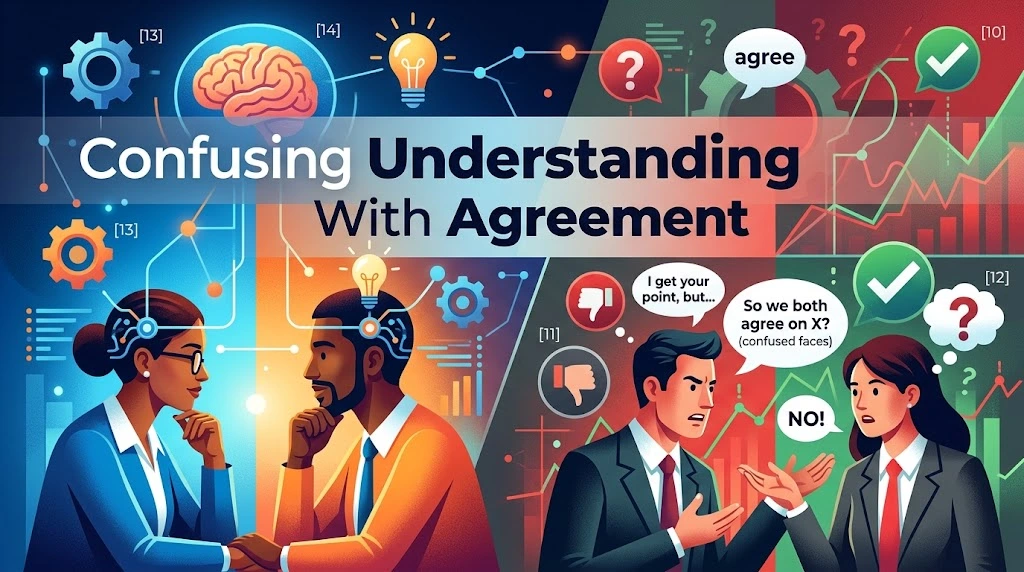
Suppose someone explains a controversial proposal.
You say:
“That makes sense.”
They may interpret this as agreement.
If you only mean that you understand the reasoning, make that distinction clear:
“I understand the reasoning. I’d still like to discuss the proposed timeline.”
This is more precise.
Read More : Sweet vs. Sweat: Meaning, Pronunciation, Grammar, and Correct Usage
Using “Acceptable” When You Mean “Excellent”
“Acceptable” is neutral.
If you are genuinely excited about a proposal, saying:
“That is acceptable.”
can sound surprisingly cold.
Compare:
“That sounds great. I think this will work very well for the team.”
with:
“That is acceptable.”
Both communicate approval, but the emotional temperature is completely different.
Quick Guide to Other Ways to Say “Sounds Good” Professionally
When you’re in a hurry, use this cheat sheet:
- For scheduling: “That works for me.”
- For enthusiasm: “That sounds great.”
- For strong approval: “That sounds perfect.”
- For direct agreement: “I agree.”
- For proposal approval: “I agree with your proposal.”
- For logical agreement: “That makes sense.”
- For team support: “I’m on board with this.”
- For strategic support: “I support this approach.”
- For document review: “This looks good to me.”
- For satisfaction: “I’m happy with that.”
- For neutral approval: “That is acceptable.”
- For measured approval: “That seems appropriate.”
- For comfort with a decision: “I’m comfortable with that.”
- For meeting expectations: “That meets my expectations.”
- For formal agreement: “I’m in agreement with this.”
The trick is simple: don’t search for a synonym. Search for the exact meaning you want to communicate.
Frequently Asked Questions About Other Ways to Say “Sounds Good”
What are some professional ways to say “sounds good”?
Some useful alternatives include “That works for me,” “That sounds great,” “I agree,” “That makes sense,” “I support this approach,” “I’m on board with this,” and “This looks good to me.”
The best choice depends on whether you’re expressing acceptance, understanding, enthusiasm, or formal approval.
Is “sounds good” professional in an email?
Yes. “Sounds good” can work well in many professional emails, particularly when communicating with coworkers or people you know well.
However, it may be too vague for situations requiring formal approval or precise confirmation.
For example:
“That works for me. I’ll send the report by Friday.”
is clearer than:
“Sounds good.”
when you’re confirming a deadline.
What is a more formal way to say “sounds good”?
For formal communication, consider:
- “I agree with your proposal.”
- “I support this approach.”
- “That is acceptable.”
- “That seems appropriate.”
- “I am in agreement with this.”
Choose based on the strength and type of approval you want to communicate.
What is a polite way to say “sounds good” to a client?
A client-facing response should usually combine warmth with clarity.
Good choices include:
“That works for us.”
“That sounds great. We’ll proceed with the proposed timeline.”
“We’re happy to proceed with this approach.”
The last part matters. Rather than giving a vague acknowledgment, tell the client what happens next when appropriate.
What can I say instead of “sounds good” in a work chat?
For a workplace chat, natural options include:
- “That works for me.”
- “Sounds great.”
- “That makes sense.”
- “I’m on board.”
- “I agree.”
- “That works well.”
- “I’m happy with that.”
You don’t need to make every chat message sound like a formal business letter.
Is “that works for me” more professional than “sounds good”?
Not necessarily. Both can be professional.
The difference is mainly in meaning.
“Sounds good” expresses general approval.
“That works for me” specifically indicates that the proposed option is suitable for you.
For scheduling and practical arrangements, “that works for me” often provides clearer confirmation.
What is the best alternative to “sounds good”?
There is no single best alternative.
Use “That works for me” for practical arrangements.
Use “I agree” for direct agreement.
Use “That makes sense” when you agree with someone’s reasoning.
Use “I support this approach” when you want to endorse a strategy.
Use “This looks good to me” after reviewing something.
Use “That sounds great” when you want to show enthusiasm.
The right phrase should match the message behind your response.
Conclusion
“Sounds good” isn’t a bad phrase. In fact, it’s one of the most natural ways to express agreement in everyday English. It is short, friendly, and widely understood.
The real issue is precision.
Sometimes you aren’t simply saying that something sounds good. You’re confirming a meeting time. You’re approving a proposal. You’re supporting a strategy. You’re acknowledging someone’s reasoning. Or you’re telling a client that you can meet a specific deadline.
Those situations deserve language that says exactly what you mean.
Use “That works for me” when you are accepting an arrangement. Choose “That makes sense” when you are acknowledging someone’s reasoning. Say “I agree with your proposal” when you need clear approval. Use “I support this approach” when you want to show active support.
And when “sounds good” genuinely fits, there’s no need to replace it just for the sake of sounding more formal.
Good professional communication isn’t about using the fanciest phrase available. It’s about choosing words that are clear, natural, accurate, and appropriate for the situation.
Sometimes two words are enough.
Other times, one extra sentence makes all the difference.